
Seasoned & Staged: How Staging Helps an Established Twin Cities Home Sell for More
2026-11-21 7 min read By Maisa Olson
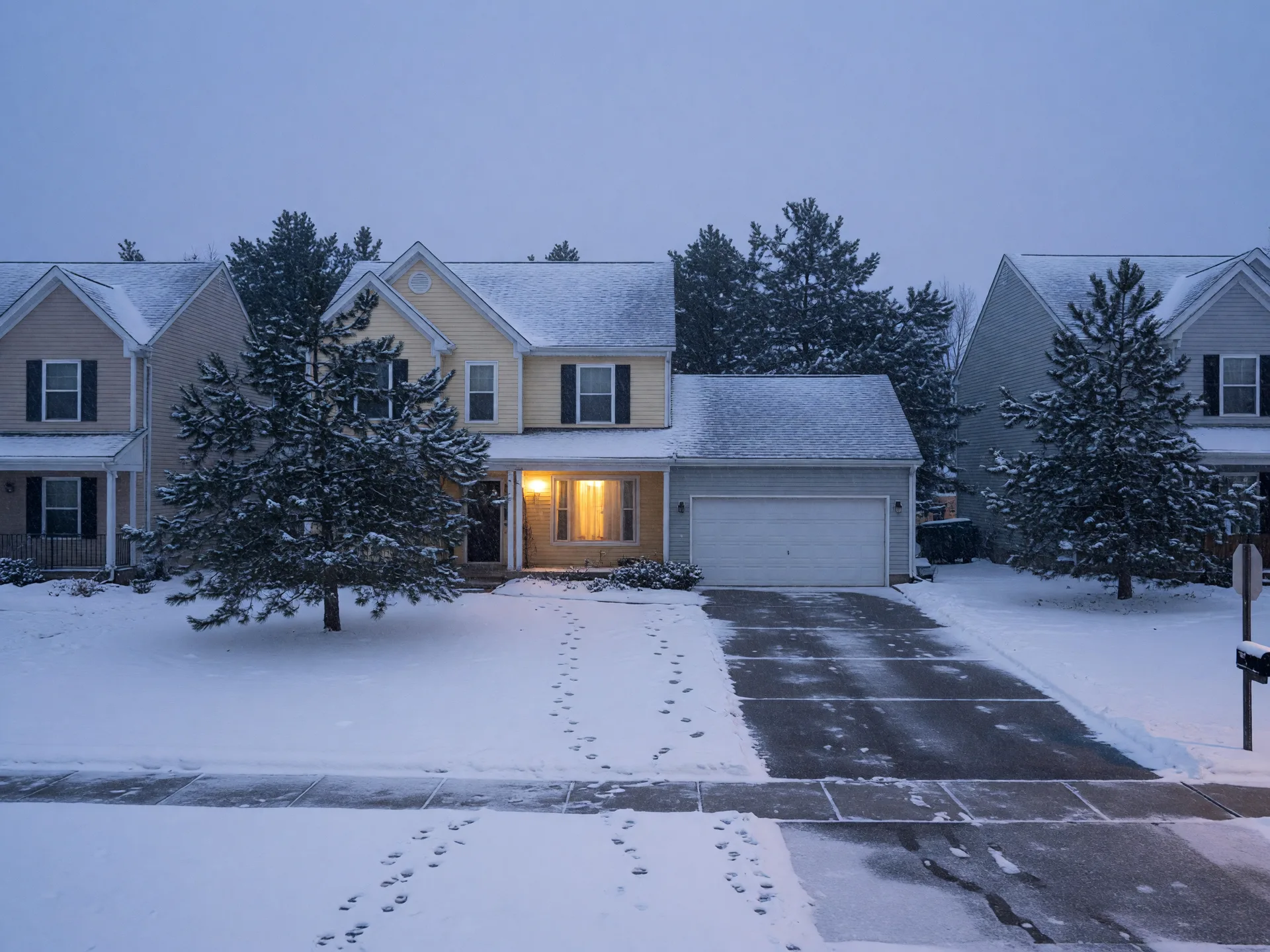
A seasoned home has lived-in character, years of good memories, and a long list of small things that quietly date it. Staging is what lets buyers see the bones of the house and their own future in it. Here is how I decide what to fix, what to skip, and where staging earns its keep before a Twin Cities listing goes live.
If your home has been lived in for a decade or more, it is seasoned: the paint is a little tired, the rooms carry your personal style, and a hundred small details look normal to you after years of seeing them every day. None of that is a flaw. It is the reality every established home brings to the market, and the whole job of staging is to separate the home's value from its wear.
What “seasoned” means to a buyer
Buyers walk into an occupied home and do two things at once: they picture living there, and they tally up what they would have to change. Every wall color that is not theirs, every bit of clutter, every personal photo, and every dated fixture adds to that mental to-do list. The longer the list, the lower the number they are willing to offer. Staging cuts the list down to almost nothing, so the house is valued on its square footage, its light, and its layout, not on the work it appears to need.
What to fix before staging
Staging does not replace repairs; it presents the repairs you have made. A few categories of work genuinely matter on an established home:
- Paint in the rooms buyers will see first. Fresh, neutral paint is the single highest-return refresh on a seasoned home, especially in the entry, living room, kitchen, and primary bedroom.
- Fixture and hardware updates. New knobs, switch plates, faucets, and bath fixtures are inexpensive and change how modern the whole house feels.
- Real condition problems. Anything an inspector would flag, from a worn roof to a leaky faucet, gets handled before listing so it never becomes a negotiation surprise.
- Deep cleaning everywhere, including windows, baseboards, and carpet. Clean reads as cared for, and cared for reads as worth more.
What to skip
Just as important is what not to spend money on. Full renovations rarely pay for themselves on a seasoned home you are about to leave. Do not replace a functional kitchen because it is dated; a clean, styled version of a dated kitchen sells fine. Do not refinish hardwood that only shows minor wear, and do not take on big projects that cannot finish before your photos. Reserve your dollars for what is visible, fixable, and finished.
Where staging earns its keep
Staging is not decorating for its own sake. It is a positioning strategy aimed at your buyer:
- It sells the lifestyle. Rooms staged to function show a buyer exactly how their family could use the space, which is what makes them emotionally ready to make an offer.
- It makes spaces feel bigger. Removing excess furniture opens up square footage, and square footage is what buyers pay for.
- It controls the photos. Most buyers decide in the first seconds of a photo scroll. Styled, well-lit rooms turn browsers into showings.
- It widens the buyer pool. Neutral, current styling appeals to move-up families and downsizers alike, so a well-staged room never shrinks your audience.
- It shortens time on market, and a shorter marketing time nearly always protects your net number.
Staging as part of the strategy
The order matters. Know your home's true value first, decide the fixes with a clear head, then stage so the finished product photographs at its best. I do the valuation, the market-ready plan, and the designer styling myself, so nothing gets lost between what your home is worth and what it looks like. If you own a seasoned Twin Cities home and want to see what it could bring at its best, start with a free valuation. All my best, Maisa Olson.
Put this to work on your home
Get a free, honest valuation
Built from comparable sales, not an algorithm. Call 612-237-6655 or send a message, and I will give you a straight answer about what your home is worth.
Keep reading
Home Value
What Is My Home Worth? A Straight Answer for Lino Lakes and the Twin Cities
What your home is really worth comes from recent comparable sales, not an algorithm. A data-driven look at Twin Cities home values, why estimates vary, and how to get a number you can act on.
Home Value
How Accurate Is the Zestimate? And Why It Isn't Your Home's True Value
The Zestimate is an automated estimate with a published error rate, not an appraisal. Here is how accurate it really is, why it differs from an appraisal, and what to use instead.
Selling
What to Fix, and What to Skip, Before Selling Your Minnesota Home
Not every improvement pays off at the closing table. A seller's guide to the updates that add real value in Minnesota, the ones to skip, and how a pre-listing inspection changes the plan.