
Selling Through a Minnesota Winter
2026-11-21 7 min read By Maisa Olson
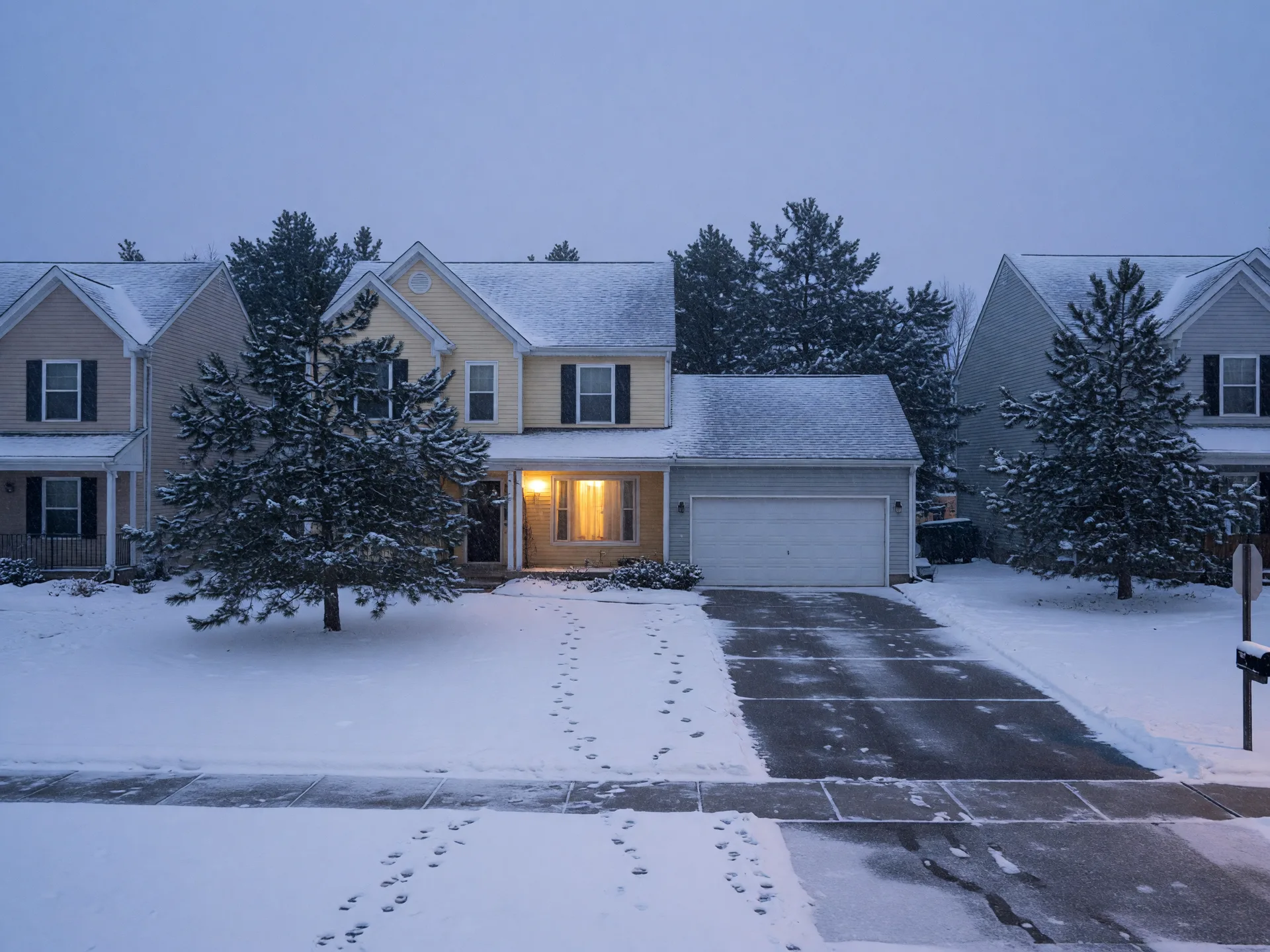
Minnesota sellers often assume winter is a bad time to list. It is not. Winter brings thinner inventory and serious buyers, and the homes that sell in December, January, and February are the ones that planned for the season: cleared walks, bright rooms, cozy staging, and level expectations. Here is what to think about before listing a Twin Cities home in winter, whether you are moving up or right-sizing.
Minnesota sellers often assume winter is a bad time to list. It is not. Winter brings thinner inventory and serious buyers, and the homes that sell in December, January, and February are the ones that handled the season well: cleared walks, bright rooms, cozy staging, and level expectations. Here is what I tell move-up and downsizing sellers about selling through a Minnesota winter, from the driveway to the closing table.
Winter curb appeal is about access, not flowers
In the spring the yard does the talking. In winter, the walk does. Showings only happen when people can get to the front door safely, so the walkway, steps, and driveway need to be cleared and treated before every appointment, not just on photo day. Keep a snow shovel, a broom, and ice melt inside the garage so the walk can be cleared in the minutes before a buyer arrives. A clean, dry entry mat at the door welcomes every visitor and protects your floors from the salt and slush that would otherwise walk straight through the house.
Ice is the quiet risk. A buyer's first impression should be the home, not a slippery step. Use ice melt on concrete and asphalt paths, choose a pet-friendly product near plantings and turf, and re-check the steps, threshold, and porch after a warm spell, because melt-and-refreeze cycles are when ice gets worst. When a showing falls during or right after a storm, I make sure the walk is clear and the house is easy to enter before the buyer arrives.
Work with low winter light in photos and showings
Winter days are short, and the best light is softer and lower than it is in June. That is an advantage in photos. Schedule listing photos for mid-morning or early afternoon, when the sun is up and rooms catch warm, even light. Turn on every light in the house, including lamps and under-cabinet lighting, so rooms read bright instead of gloomy. And clean the windows: the snow light buyers love only passes through glass that is clean.
Showings follow the same rule. When daylight is limited, appointments drift into the evening, so a well-lit home matters more than ever. Confirm that the outside lights, porch light, and garage lights all work, and put the interior lights on timers so the house is bright for after-work showings even before you get home.
Cozy staging that makes buyers want to stay
Winter staging leans into warmth. A staged home in January should feel like the coziest possible version of itself: soft throws on the sofa, warm bedding, a lit fireplace if you have one, and neutral textures that make a room feel like a retreat from the cold. Warm lighting and a gentle scent from something baking or fresh coffee make buyers linger, and buyers who linger start picturing their life in the house.
Keep the thermostat set to a comfortable, consistent level for showings. A home that is warm when buyers walk in tells them the house is cared for, and it keeps the experience pleasant from the moment they step out of the car.
Plan for heating and utility costs
Winter selling comes with a real, modest extra cost: the heat stays on, and it stays on at a comfortable level. Budget for slightly higher heating and electric bills while the home is listed, and set that expectation up front so it never feels like a surprise. The trade is straightforward. A warm, bright, comfortable home shows better, and the extra utility cost is a fraction of what a longer market time would cost you.
If the home will be vacant, this matters even more. Keep the heat above freezing for the pipes, then bring it up to a showing-ready temperature for appointments. I coordinate the schedule with your showing times so the house is warm when buyers arrive without paying to keep it warm every hour of every day.
Holiday schedules and flexible showings
Between Thanksgiving and the new year, everyone's calendar is full, including yours. The buyers who are looking during the holidays are not browsing; they have a real reason to move. To capture them, keep showing times flexible and tell me early which windows work for your family. Weekday evenings and weekend afternoons are the sweet spots. If you have holiday gatherings planned, share the dates so we block those times and plan around them instead of canceling appointments at the last minute.
Expect the rhythm of a winter sale to look different from a spring one. Showings come in bursts around time off in December, the market takes a genuine pause in the last week of the year, and then new-year buyers arrive with fresh budgets and fresh motivation. I keep your calendar updated so the home is ready for every wave.
What the winter market actually looks like
The real advantage of selling in a Minnesota winter is competition. Inventory is thinner than in spring, which means buyers have fewer listings to choose between, and your home gets a bigger share of their attention. The buyers who are out in January are serious: they are often relocating for work, following a job change, or working on a timeline that does not wait for the snow to melt. Year-end brings activity from people closing before the holidays, and the first weeks of the new year bring a fresh crop of motivated buyers.
Pricing matters more than timing in winter. A well-priced, market-ready home in January sells on essentially the same timeline as one listed in May. It just competes with less noise. In my experience, good winter sellers are not waiting for spring; they are simply two to three months ahead of the spring crowd.
Winter prep sets up a strong spring
Here is the part sellers often miss: winter is the runway for spring. If you list in January and sell in February, the marketing, photos, staging, and pricing strategy are already done while other sellers are still shoveling out their to-do lists. The same work that carries a winter sale, cleared access, bright photos, cozy staging, and pricing from comparables, is exactly the work that makes a spring launch sell faster and for more.
And if you decide to wait for spring, the winter months are the ideal window to prepare: get the free valuation, decide what to fix and what to skip, and complete the finishes so your home launches first and cleanest when the spring market opens. Either way, the planning starts now.
If you own a Twin Cities home and you are weighing the next chapter, a free valuation is the right first step in any season. I will tell you what your home is worth, what winter means for your timing, and exactly what to fix, skip, and stage before the sign goes in the yard. All my best, Maisa Olson.
Put this to work on your home
Get a free, honest valuation
Built from comparable sales, not an algorithm. Call 612-237-6655 or send a message, and I will give you a straight answer about what your home is worth.
Keep reading
Home Value
What Is My Home Worth? A Straight Answer for Lino Lakes and the Twin Cities
What your home is really worth comes from recent comparable sales, not an algorithm. A data-driven look at Twin Cities home values, why estimates vary, and how to get a number you can act on.
Home Value
How Accurate Is the Zestimate? And Why It Isn't Your Home's True Value
The Zestimate is an automated estimate with a published error rate, not an appraisal. Here is how accurate it really is, why it differs from an appraisal, and what to use instead.
Selling
What to Fix, and What to Skip, Before Selling Your Minnesota Home
Not every improvement pays off at the closing table. A seller's guide to the updates that add real value in Minnesota, the ones to skip, and how a pre-listing inspection changes the plan.